
08.07.2026
Results of the Study on the Validity of Budget Subsidies Allocated for the Heat Supply System of Tashkent City
The Chamber of Accounts conducted a study to assess the validity of budget subsidies allocated for the heat supply system of Tashkent City.
As part of the study, alongside the examination of subsidy calculations, the implementation of the Public-Private Partnership (PPP) Agreement signed between the Tashkent City Hokimiyat and the special purpose company “Veolia Energy Tashkent” was also analyzed.
Under the Agreement, the special purpose company invested EUR 20 million in direct foreign investment and carried out the following activities:
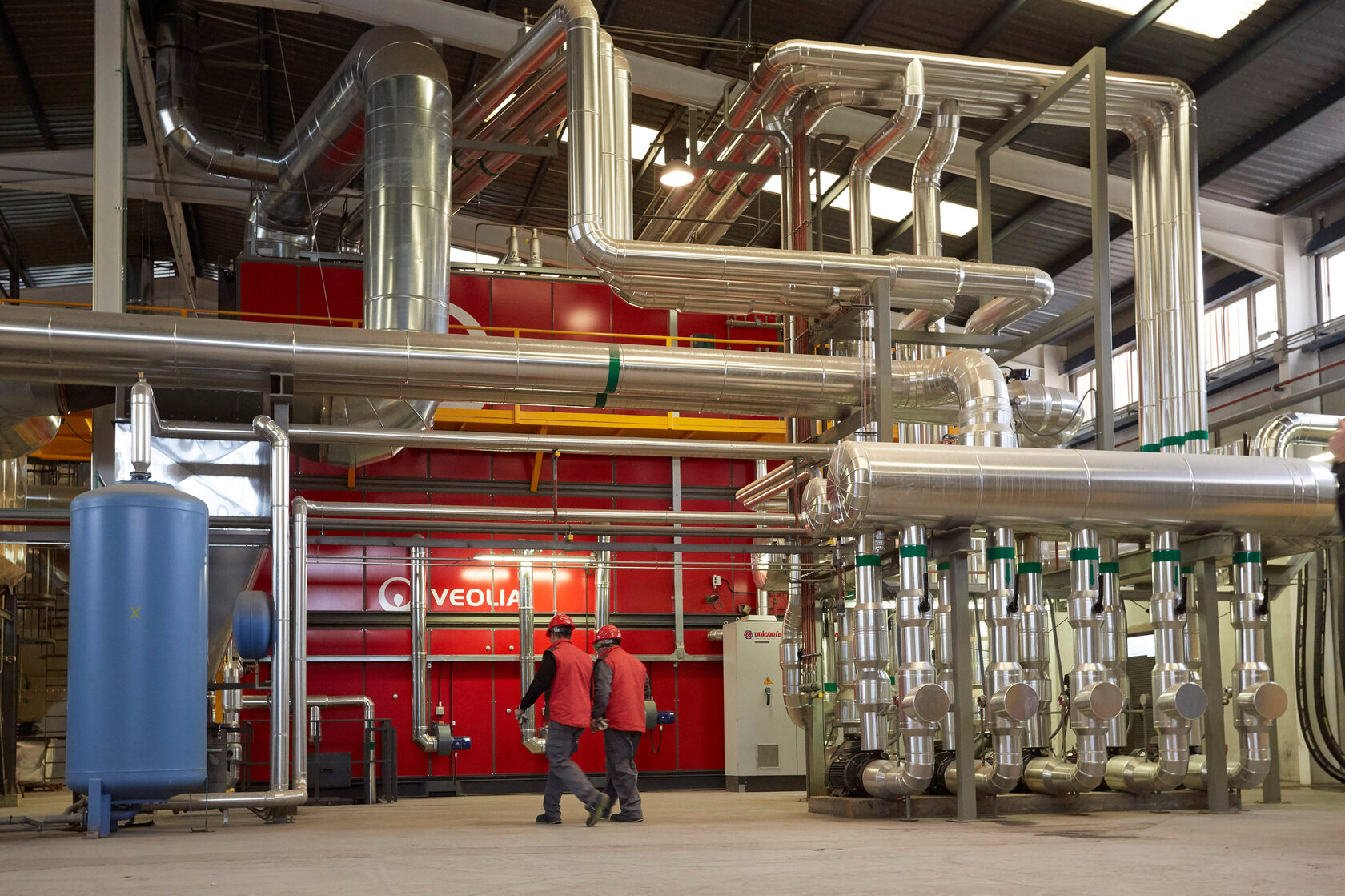
Constructed two modern boiler houses within the project: the 30 MW “Vodnik” boiler house in Bektemir District and the 18 MW “Sanoat Energo” boiler house in Sergeli District;
Fully converted the heat supply systems of the “Vodnik” residential area in Bektemir District and the “Quruvchi” residential area in Sergeli District to a closed-loop heating system;
Replaced 13 km of heating pipelines with modern infrastructure and installed 144 individual heating units in 108 apartment buildings and 16 social facilities;
Conducted a comprehensive technical audit of the centralized heat supply system of Tashkent City.
At the same time, the implementation of several planned activities—particularly those related to the procurement of heating stations, metering devices, mobile boiler houses, and specialized equipment—remained below the expected level.
Specifically:
The installation of 1,100 heating stations was completed at only 28 percent (309 units), of which 153 were commissioned, while the planned construction of 4.2 km of new heating networks was not implemented;
Modernization of local boilers with a total capacity of 22.3 Gcal/hour was completed at 94 percent (21 Gcal/hour), while two mobile boiler houses were not procured;
Installation of 13,600 heat energy meters reached only 6.9 percent (941 units), while installation of 259,300 hot water metering devices reached 31 percent (81,600 units);
Of the planned 219,300 smart meters, only 127,600 (58 percent) were procured, and 96,000 (44 percent) were installed.
According to the Agreement, the number of existing staff was to be gradually optimized during the first 15 years of implementation. However, in practice, no work had been initiated in this direction.
In addition, the Tashkent City Hokimiyat, as the public partner, failed to prepare 12 draft regulatory and legal acts envisaged under the Agreement for the further development of the sector.
The results of the comprehensive analysis and sectoral study demonstrated that, alongside the positive achievements already made, several important issues still require additional attention to further improve the effectiveness of the project.
In particular:
1. There is a need to further improve the budget subsidy mechanism for the sector. To ensure the targeted and efficient use of public funds, it is advisable to introduce a mechanism under which the amount of subsidies is determined not only on the basis of projected indicators but is also recalculated at the end of each fiscal year based on actual production costs and real sales volumes.
During the study, inaccuracies resulting from the overestimation of budget subsidies were eliminated, and UZS 187.7 billion was restored to the State Budget.
2. Harmonizing tariff policy by reviewing the price balance among different categories of consumers (households, budget organizations, and legal entities) in accordance with market economy principles will contribute to strengthening the financial sustainability of the heat supply system.
3. The most important assessment of the modernization of the heat supply system comes from consumers themselves. In particular, the increasing number of public complaints received in recent years indicates the need to strengthen quality control within the sector.
Analysis of citizens' appeals showed that while 1,229 complaints related to hot water and heat supply were received in 2020, this figure increased to 9,449 in 2025, representing an almost eightfold increase.
The highest growth in complaints was recorded in Mirabad District (9.7 times), Mirzo Ulugbek District (9.1 times), Yashnabad District (8.2 times), Almazar District (8.1 times), and Yunusabad and Chilanzar Districts (7.2 times).
It is recommended to establish dedicated working groups responsible for inspecting the technical condition of the heat supply infrastructure and ensuring the prompt resolution of issues raised by residents.
4. Given the ongoing global climate change and the shortening of the winter season, the Tashkent City Hokimiyat, as the public partner, should accelerate the process of updating the relevant regulatory and legal framework.
Revising residential heating standards for Tashkent City based on current climate parameters would help prevent unnecessary expenditure of budget funds.
The development of the heat supply system is not the responsibility of a single organization alone but a shared responsibility of both the public and private partners.
Following the study, the Chamber of Accounts issued relevant instructions to the Tashkent City Hokimiyat, the special purpose company “Veolia Energy Tashkent”, and, within their respective areas of competence, the Ministry of Economy and Finance and the Tax Committee, including:
critically reviewing the findings of the study in order to eliminate identified shortcomings, prevent their recurrence, and improve overall performance;
recalculating annual financial indicators based on actual costs incurred;
developing and approving a clear action plan for the upcoming period based on the implementation of the obligations under the Public-Private Partnership Agreement and establishing an effective mechanism for monitoring its implementation.
More news
![[object Object]](https://back.ach.gov.uz/media/view/file_917e73b3b80a3f68bc1183f9.jpg)
COA strengthens cooperation with the INTOSAI Development Initiative
2317
28.09.2025
![[object Object]](https://back.ach.gov.uz/media/view/file_eb3d7897b95d1c9ae2d708f7.jpeg)
Service Activities of Uzexpomarkaz JSC Reviewed
196
17.06.2026
![[object Object]](https://back.ach.gov.uz/media/view/file_95b7cea0d789a91bdb82a472.jpg)
The Chamber of Accounts signed a memorandum with KPMG Academy.
1276
09.02.2025
![[object Object]](https://back.ach.gov.uz/media/view/file_df8006112d60c77029080cdc.jpg)
Council of Heads of CIS SAIs held a meeting within INCOSAI
1294
29.10.2025
![[object Object]](https://back.ach.gov.uz/media/view/file_e43c61515b4e96cd19957512.jpg)
Congratulations on the occasion of Defenders of the Motherland Day
1210
13.01.2026