
05.07.2026
Presidential Decree Adopted to Promote Artificial Intelligence and Digitalization in the State Audit System
A Presidential Decree of the Republic of Uzbekistan titled "On Measures for the Further Development of Artificial Intelligence and Digitalization in State Audit Activities" has been adopted.
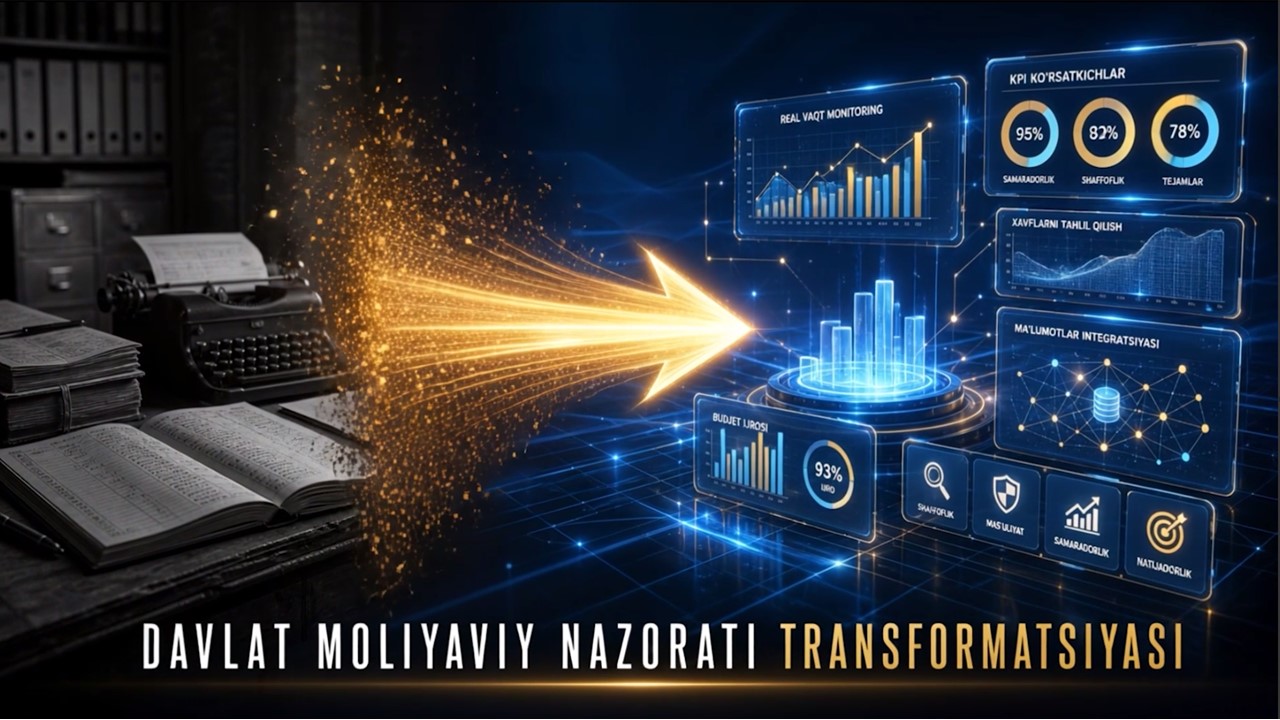
The Decree aims to fundamentally modernize the state audit system through advanced digital technologies, expand the use of artificial intelligence, strengthen oversight over the efficient and targeted use of budget funds, and ensure greater transparency and effectiveness of audit processes.
Under the Decree, priority areas for the digital transformation of the state audit sector for 2026–2030 have been identified. These include increasing the effectiveness of early risk detection in the budget system to 50 percent, improving the efficiency of detecting budget discipline violations using artificial intelligence technologies by 1.4 times, and introducing 30 risk analysis mechanisms along with 50 digital services and modules through the integration of government information systems.
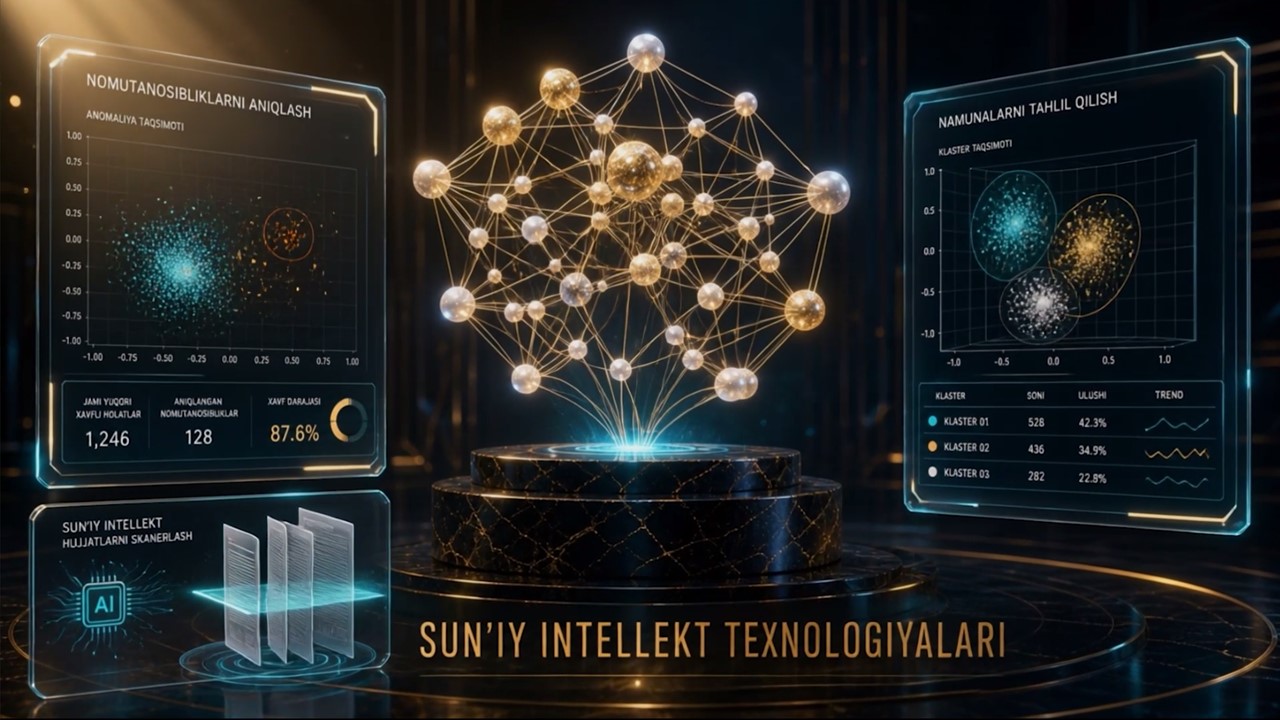
The Decree introduces fundamentally new areas of external state audit within the activities of the Accounts Chamber. Beginning in 2027, audits of artificial intelligence systems will be conducted to assess the effectiveness of AI technologies implemented by government agencies and organizations. In addition, remote external audits based on remote access to digital data and information systems, as well as information technology audits based on risk analysis, will be introduced.
Furthermore, the Accounts Chamber has been designated as the authorized body responsible for conducting financial, compliance, and performance IT audits in government agencies and organizations. Starting from September 1, 2028, compliance audits using artificial intelligence technologies will also be introduced.
The Decree also provides for the phased development of a number of information systems and digital modules designed to facilitate the widespread implementation of artificial intelligence and digital technologies in state auditing. In particular, a "Government Agencies' Risk Profile" module will be developed as part of the "Remote Audit" information and analytical system to assess the budget discipline of government agencies and organizations. This module will generate annual budget discipline ratings, which will be publicly disclosed.
Additionally, the reasons for delays in construction projects implemented under state development programs will be analyzed, and a digital mechanism for evaluating the effectiveness of completed facilities will be introduced.
Special attention is also given to improving coordination between state financial control bodies and internal audit services. From now on, the process of addressing systemic issues identified during audits and reviewing proposals for improving legislation will be carried out through the Accounts Chamber's "State Audit" information system.
Training highly qualified professionals is another key priority of the Decree. Measures include obtaining internationally recognized ISACA certifications for state audit specialists, developing electronic training courses and educational platforms, and establishing a continuous professional development system in artificial intelligence and digital technologies.
In addition, by the end of 2026, the Accounts Chamber will establish an Artificial Intelligence Laboratory, where AI models will be trained, risk analysis mechanisms developed, analytical support for audit decisions provided, and forecasting systems created.
The Decree serves as an important legal foundation for the digital transformation of the state audit system, the broad implementation of artificial intelligence technologies, early risk detection and prevention, improved efficiency of state financial control, and the transparent and rational use of public funds.
The Accounts Chamber will implement comprehensive measures to ensure the timely and high-quality execution of the tasks set forth in the Decree, develop digital audit infrastructure, introduce advanced international best practices, and establish a modern state audit model.
More news
![[object Object]](https://back.ach.gov.uz/media/view/file_c8bb6d7c22e69c3d6b4a0540.jpg)
SAO of Hungary web-site on relations with Uzbekistan's COA
2082
03.04.2025
![[object Object]](https://back.ach.gov.uz/media/view/file_a878f4f21f8e0c30d3ed34f9.jpg)
Tasks to ensure high economic growth rates across sectors and regions defined
1510
14.02.2026
![[object Object]](https://back.ach.gov.uz/media/view/file_04cb9345dd5a21d080408c5b.JPG)
Asian Evaluation Week 2025
1231
04.09.2025
![[object Object]](https://back.ach.gov.uz/media/view/file_0f843ff89edee2bc1d73beb4.jpg)
The Chamber of Accounts Conducted an Audit in the Field of External Labor Migration
846
01.02.2026
![[object Object]](https://back.ach.gov.uz/media/view/file_0209e740fd8485c962029a4d.jpg)
207
25.06.2026