
17.05.2026
Projects in the Veterinary and Livestock Sector Involving International Financial Institutions: Problems and Solutions
In Uzbekistan, major investment projects involving international financial institutions are being implemented to modernize the veterinary and livestock sector, increase production volumes, and strengthen export potential. Currently, three major projects worth a total of USD 568 million are under implementation in the sector.

These projects are financed by international financial institutions such as the World Bank, the French Development Agency (AFD), and IFAD. The main objectives of the projects are to introduce advanced technologies into the sector, strengthen the material and technical base of farming and livestock enterprises, increase production volumes, and ensure employment for the rural population.
As a result of studies conducted by the Chamber of Accounts, a number of systemic problems and shortcomings in the sector were identified.
➢ Low level of fund utilization
As of December 1, 2025, loan agreements worth USD 386.3 million had been signed within the framework of the projects, but only USD 173.9 million, or 45 percent, had been utilized. In particular:
• 66 percent under the “Financing Sustainable Development of the Livestock Sector” project;
• 42 percent under the “Livestock Sector Development (Phase II)” project;
• only 0.2 percent under the “Development of the Dairy Value Chain” project.
This indicates delays in project implementation, prolonged tender procedures, and insufficient coordination among responsible agencies.
➢ Unimplemented measures and delayed projects
Within the framework of the World Bank-supported “Livestock Sector Development (Phase II)” project, most measures worth USD 74.5 million were not implemented within the established deadlines. In particular:
• modernization of 10 research institutes;
• procurement of 500 container-type offices and 900 vaccine refrigerators;
• establishment of customs laboratories and quarantine farms.
Some tender procedures were delayed by up to 430 days.
For example, the tender for purchasing refrigeration equipment for vaccine storage was supposed to be completed in September 2024, but has still not been finalized.
➢ Inefficient expenditures and poor planning
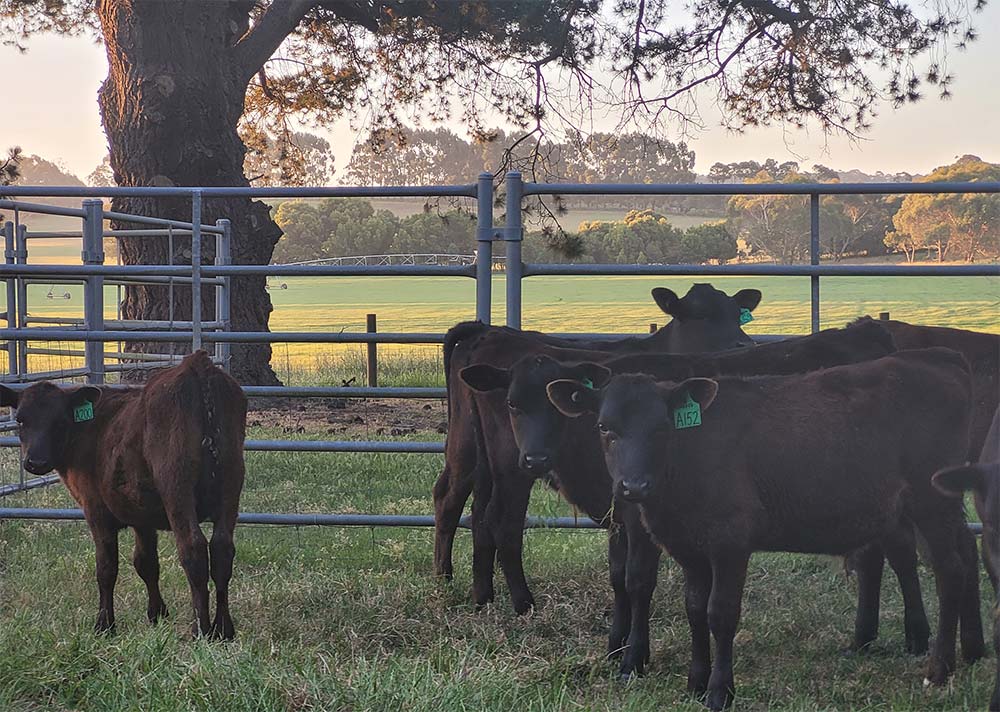
One of the most serious shortcomings identified during the study was related to problems in the livestock identification system. Under the project, a USD 20 million contract was signed for the purchase of 20 million ear tags. However:
• the software has not yet been developed;
• tablets have not been purchased;
• the infrastructure is not ready.
As a result, part of the imported tags is being used inefficiently. At the same time, it was found that similar tags are available on the market at significantly lower prices. According to estimates, the tags purchased within the project were overpriced by approximately UZS 98.6 billion compared to market prices.
➢ Misuse of project funds
It was revealed that 13 “Geely Coolray” service vehicles purchased to strengthen epidemiological control are being used not by epizootic specialists, but for the service of regional officials.
This demonstrates insufficient control mechanisms over targeted expenditures within the projects.
➢ Low efficiency of credit resources
Through commercial banks, loans worth USD 146.4 million were allocated to 638 enterprises. However, analysis showed that:
• 94 enterprises received loans but did not produce any products;
• 467 enterprises failed to create the jobs indicated in their business plans;
• in some cases, the number of employees in loan-recipient enterprises even decreased.
These situations indicate weaknesses in the business plan evaluation system, insufficient monitoring and control, and ineffective mechanisms for assessing credit efficiency.
➢ Main problems
According to the analysis, the sector faces the following systemic shortcomings:
• prolonged tender procedures;
• insufficient digital management systems;
• weak coordination among responsible organizations;
• delays in fund utilization;
• ineffective project monitoring;
• improper allocation of human resources;
• insufficient economic efficiency analysis.
Based on the audit results, several practical measures were proposed to eliminate the identified problems and improve project efficiency. In particular:
✓ transferring all project processes to a unified digital platform and introducing an online monitoring system;
✓ simplifying tender procedures and strictly monitoring deadlines;
✓ introducing deep analysis of business plans during loan allocation, assessing production and export indicators, and implementing automatic monitoring of job creation;
✓ expanding the participation of farmers and entrepreneurs in projects by simplifying subsidy and compensation conditions;
✓ restricting responsible employees from working on several projects simultaneously and strengthening personal accountability.
In conclusion, the investment projects being implemented in the veterinary and livestock sector play an important role in ensuring the country’s food security, export potential, and rural employment.
However, timely and efficient utilization of funds, targeted implementation of projects, and ensuring transparency remain among the most pressing tasks in the sector.
Otherwise, the low economic efficiency of attracted external borrowing may create an excessive burden on the state budget. Therefore, fundamentally improving project management systems, digitalization, and strengthening result-based control mechanisms should become a priority task.
More news
![[object Object]](https://back.ach.gov.uz/media/view/file_d3fcbc0c8705f3e73763d291.jpg)
Results of the Chamber of Accounts' activities for 2025 reviewed in the Legislative Chamber
1391
25.04.2026
![[object Object]](https://back.ach.gov.uz/media/view/file_0c8f0cc87c67833802a261ec.jpg)
RESULTS OF THE AUDIT OF THE ACTIVITIES OF JSC “UZSUVTA’MINOT”, MEASURES IMPLEMENTED IN THE FIELD OF DRINKING WATER AND WASTEWATER SUPPLY, AS WELL AS EXTERNAL DEBT PROJECTS
871
11.05.2026
![[object Object]](https://back.ach.gov.uz/media/view/file_3f9a058ed20c10183638ce10.png)
Delegation of the United Arab Emirates: “The Republic of Uzbekistan left a very positive impression on us.”
393
26.05.2026
![[object Object]](https://back.ach.gov.uz/media/view/file_2f38ab277f24efb38d50aa6b.jpg)
China’s Auditor General visited the Chamber of Accounts
1568
09.04.2025
![[object Object]](https://back.ach.gov.uz/media/view/file_1606ac7e2abc192c7af47e44.jpg)
Results of the Chamber of Accounts' activities for 2025 were reviewed
454
22.04.2026