
25.04.2026
Results of the Chamber of Accounts' activities for 2025 reviewed in the Legislative Chamber
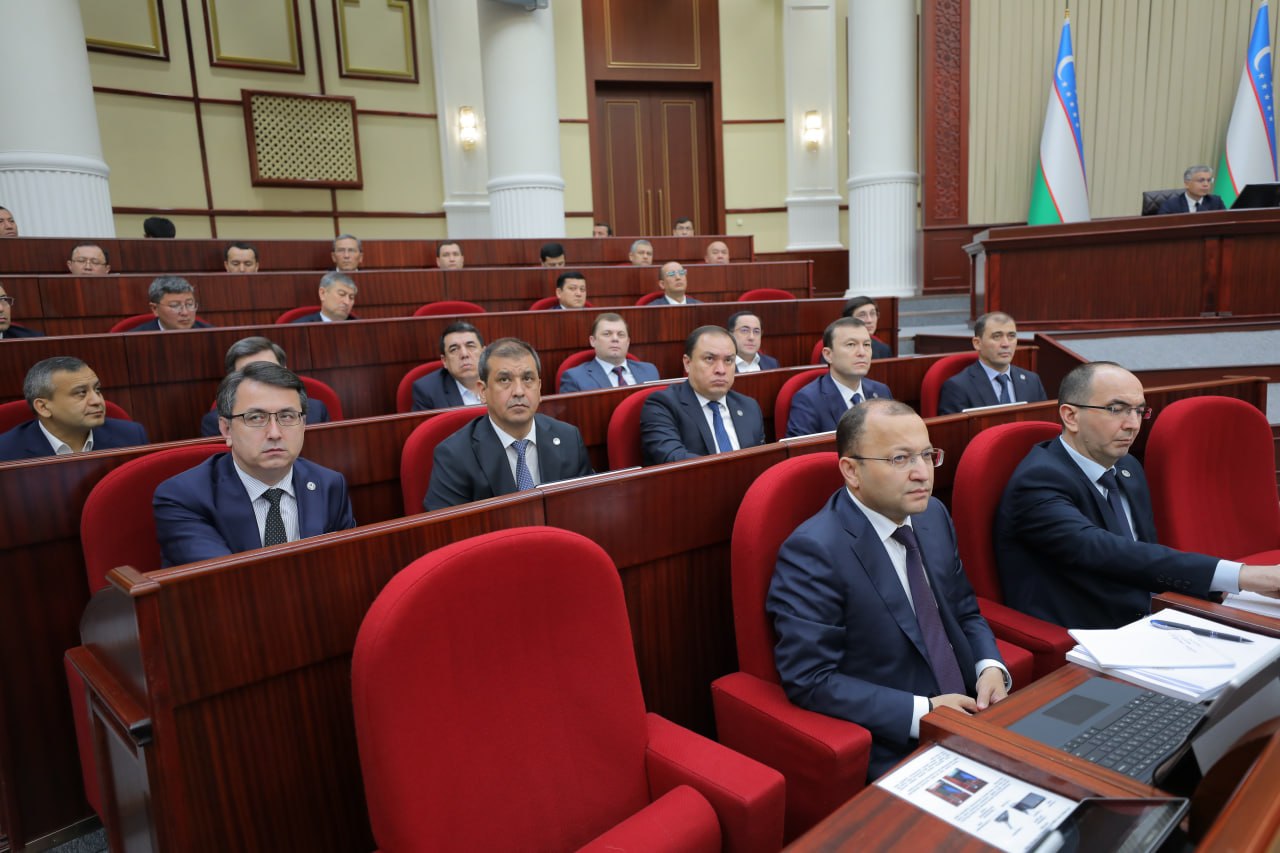
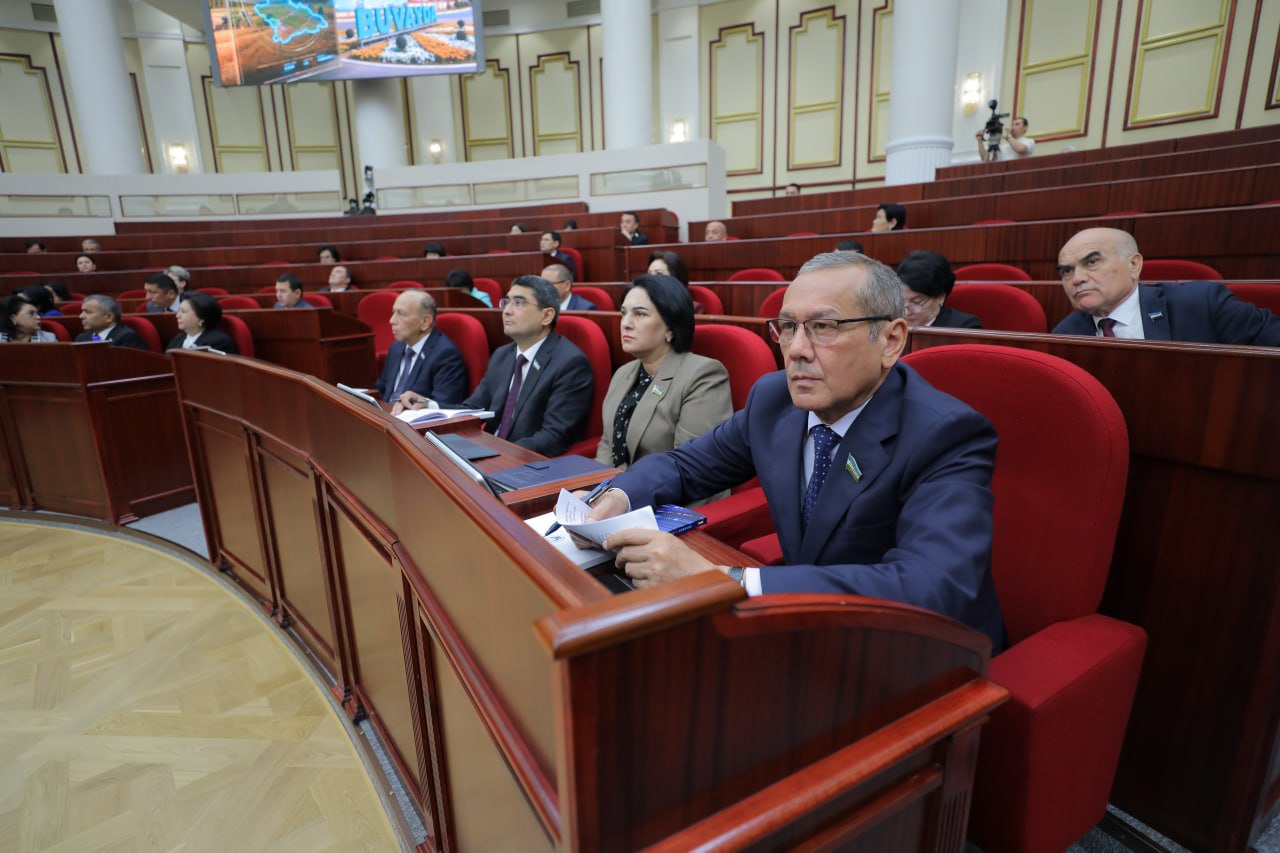
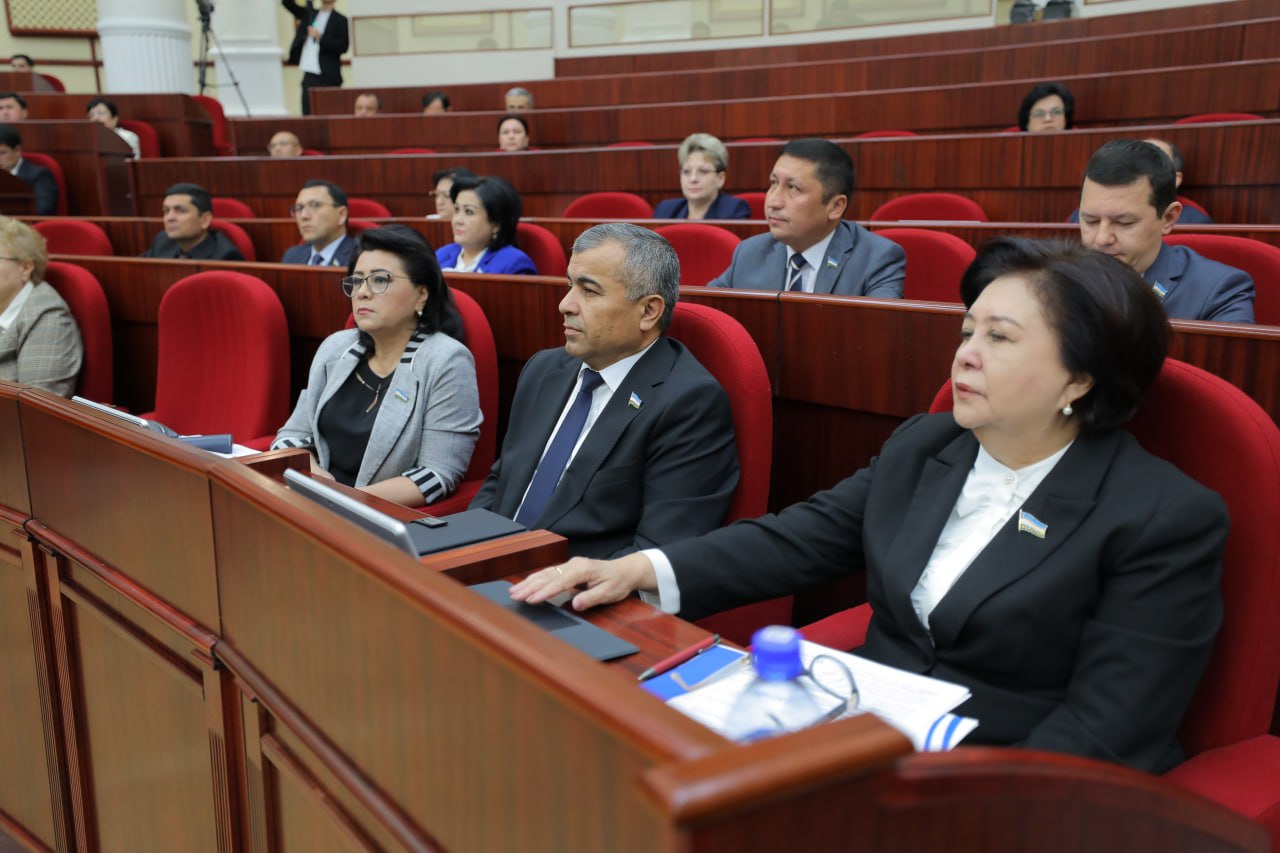
At a plenary session of the Legislative Chamber of the Oliy Majlis of Uzbekistan held in Tashkent, the report on the Chamber of Accounts' activities for 2025 was discussed. Deputies, political party factions, and members of the Committee on Budget and Economic Reforms participated.
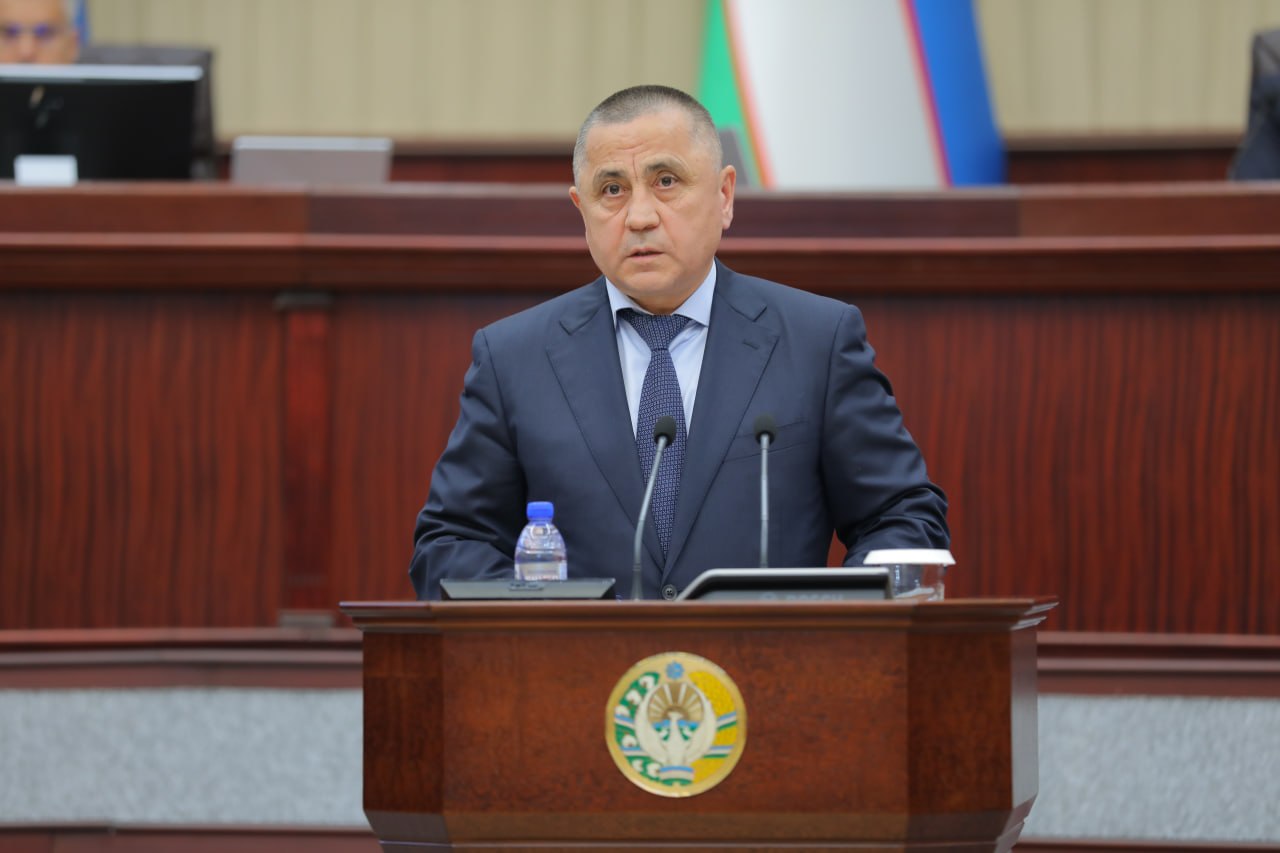
At the beginning of the meeting, it was particularly emphasized that cooperation between the Chamber of Accounts and the Legislative Chamber has been effective. In particular, it was noted that the Memorandum of Cooperation signed in 2025 has played an important role in improving the lawmaking process, expanding public participation, and ensuring systematic analysis of socio-economic processes.
In his speech, First Deputy Chairman of the Chamber of Accounts M. Abdullaev emphasized that during the reporting period, reforms aimed at fundamentally transforming the system of public audit and financial control in the country have reached a new stage.
At the same time, it was noted that, based on Presidential Decrees, the activities of the Chamber of Accounts are being transformed from a traditional oversight body into an institution grounded in strategic analysis and preventive approaches.
In addition, he highlighted that the introduction of digitalization, risk analysis, and remote audit mechanisms has strengthened control over the targeted and efficient use of budget funds.
In 2025, a total of 155 oversight activities (93 audit engagements and 62 thematic and remote risk analyses) were carried out. As a result, violations related to the use of budget funds amounting to 18.8 trillion soums were prevented, expenditures were optimized, and additional sources of revenue were identified.
The Chamber of Accounts also actively participated in the process of forming the State Budget. The draft State Budget for 2026 was reviewed, and based on a number of proposals and recommendations, budget revenues were increased while expenditures were reduced.
In addition, draft local budgets were examined, which contributed to ensuring financial balance in the regions.
The report also extensively covered the results of audits conducted on the execution of the State Budget, public procurement, investment projects, and the efficiency of the use of external debt funds.
In the field of public procurement, violations were identified, and a number of proposals were developed to strengthen competition and ensure transparency.
At the same time, systematic efforts were undertaken to reduce the “shadow economy,” increase tax revenues, and expand the revenue base of the budget. Based on audit results, additional sources of budget revenues were identified and their collection was ensured.
Digitalization has been defined as a priority area in the activities of the Chamber of Accounts , and the “Remote Audit” information system has been widely implemented. Through this system, the use of budget funds is monitored in real time, enabling the early detection of financial errors and shortcomings. Furthermore, the introduction of artificial intelligence technologies has increased the efficiency of detecting violations in public procurement and other areas.
In the report, M. Abdullaev also highlighted that significant results have been achieved within the framework of international cooperation. Relations with the Supreme Audit Institutions of several foreign countries (Hungary, China, Turkey, Latvia) have been expanded, and joint audits and experience-sharing mechanisms have been established. The Chamber of Accounts is actively participating in the activities of international organizations.
During the discussion of the report, political party factions drew attention to certain systemic shortcomings in the activities of executive bodies.
In particular, representatives of the People’s Democratic Party of Uzbekistan conducted a systematic analysis of financial discrepancies amounting to 1.1 trillion soums identified in the social sector and emphasized the need to further strengthen the activities of internal audit services within ministries.
They also put forward proposals to accelerate measures for recovering funds subject to return to the budget, as well as to improve accountability and control mechanisms in the use of public funds.
Members of the UzLiDeP faction highlighted financial risks amounting to 83 billion soums and potential conflicts of interest identified by artificial intelligence systems in public procurement processes. Deputies proposed measures to digitalize internal control systems of ministries and to ensure the implementation of the “corruption-free sector” principle.
Representatives of the Adolat Social Democratic Party emphasized the need to further improve the system for providing the population with medicines at the primary healthcare level. In addition, the issue of ensuring the financial sustainability of certain specialized medical centers was considered in order to enhance the efficiency of the use of state budget funds.
Members of the Ecological Party of Uzbekistan noted the low pace of implementation of investment projects in the fields of environmental protection and landscape restoration. Deputies emphasized the need to accelerate efforts in this area and strengthen accountability for ensuring environmental safety.
Following the discussions, it was noted that the Chamber of Accounts needs to improve mechanisms for recovering identified funds to ensure the effectiveness of reforms, assess the social impact of budget expenditures, and establish strict control over public debt and the execution of local budgets.
At the same time, proposals and recommendations were put forward to expand the use of artificial intelligence, coordinate internal audit systems of ministries, and improve legislation based on identified systemic shortcomings.
At the conclusion of the meeting, taking into account the proposals and recommendations expressed by deputies, the performance of the Chamber of Accounts for 2025 was positively assessed. The parties agreed to continue cooperation to further improve the system of public financial control, strengthen budget discipline, and ensure the efficient use of public funds.
More news
![[object Object]](https://back.ach.gov.uz/media/view/file_3a4b1d873f40a16e1a9e12be.JPG)
Cooperation between the Chambers of Accounts of Uzbekistan and Azerbaijan is reaching a new stage
375
26.05.2026
![[object Object]](https://back.ach.gov.uz/media/view/file_df8006112d60c77029080cdc.jpg)
Council of Heads of CIS SAIs held a meeting within INCOSAI
1294
29.10.2025
![[object Object]](https://back.ach.gov.uz/media/view/file_f5bd28d7db17cbda4cd944c0.jpg)
An audit of internal control systems to combat corruption
2242
02.10.2025
![[object Object]](https://back.ach.gov.uz/media/view/file_6f6323e95487361fe5d47b45.jpg)
COA held bilateral meetings at XXV INCOSAI
2010
30.10.2025
![[object Object]](https://back.ach.gov.uz/media/view/file_3876eec01456bd2a314d9f10.jpg)
22
26.07.2026