
05.05.2026
Issues of strengthening state financial control were discussed at the National Committee on Ecology and Climate Change
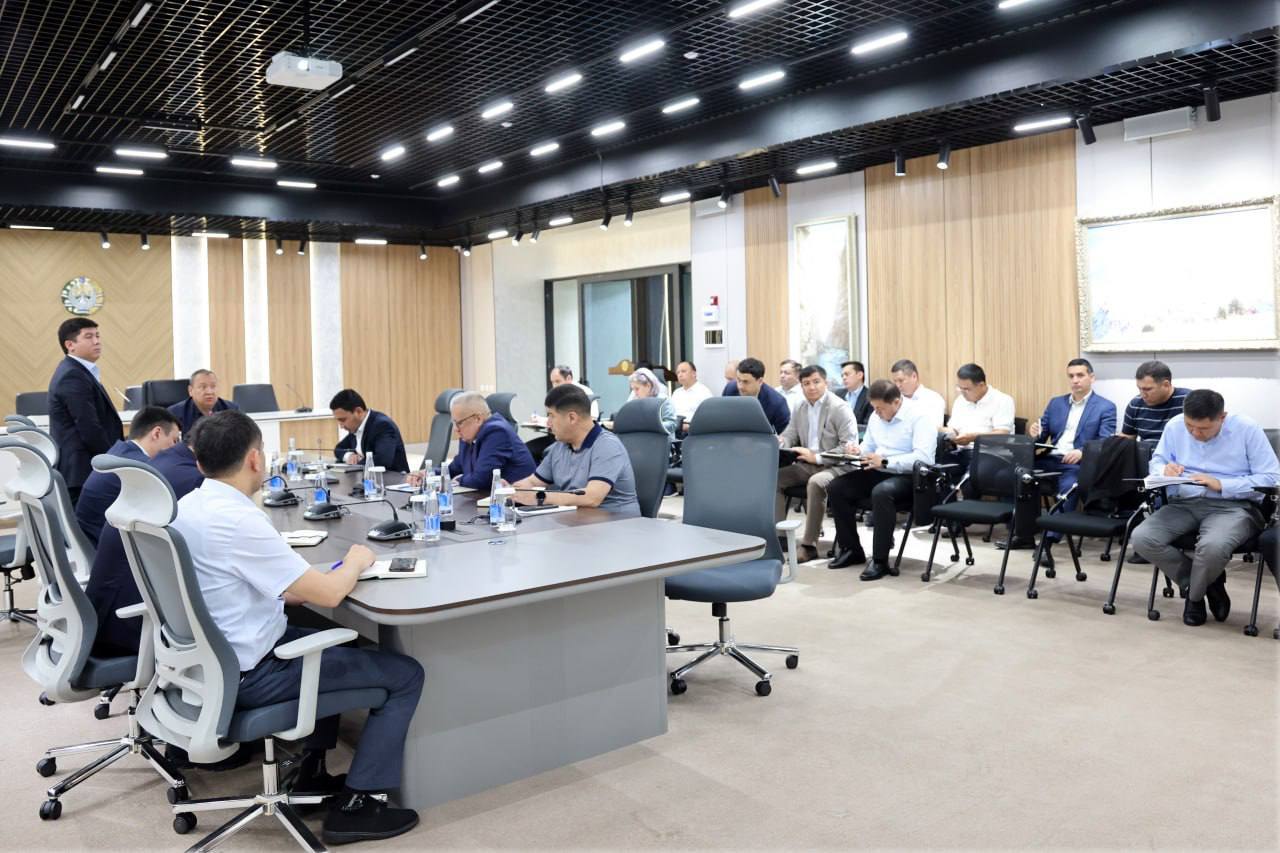
At the initiative of the Chamber of Accounts of the Republic of Uzbekistan, a training seminar dedicated to the further improvement of the system of state audit and financial control was held at the National Committee on Ecology and Climate Change.
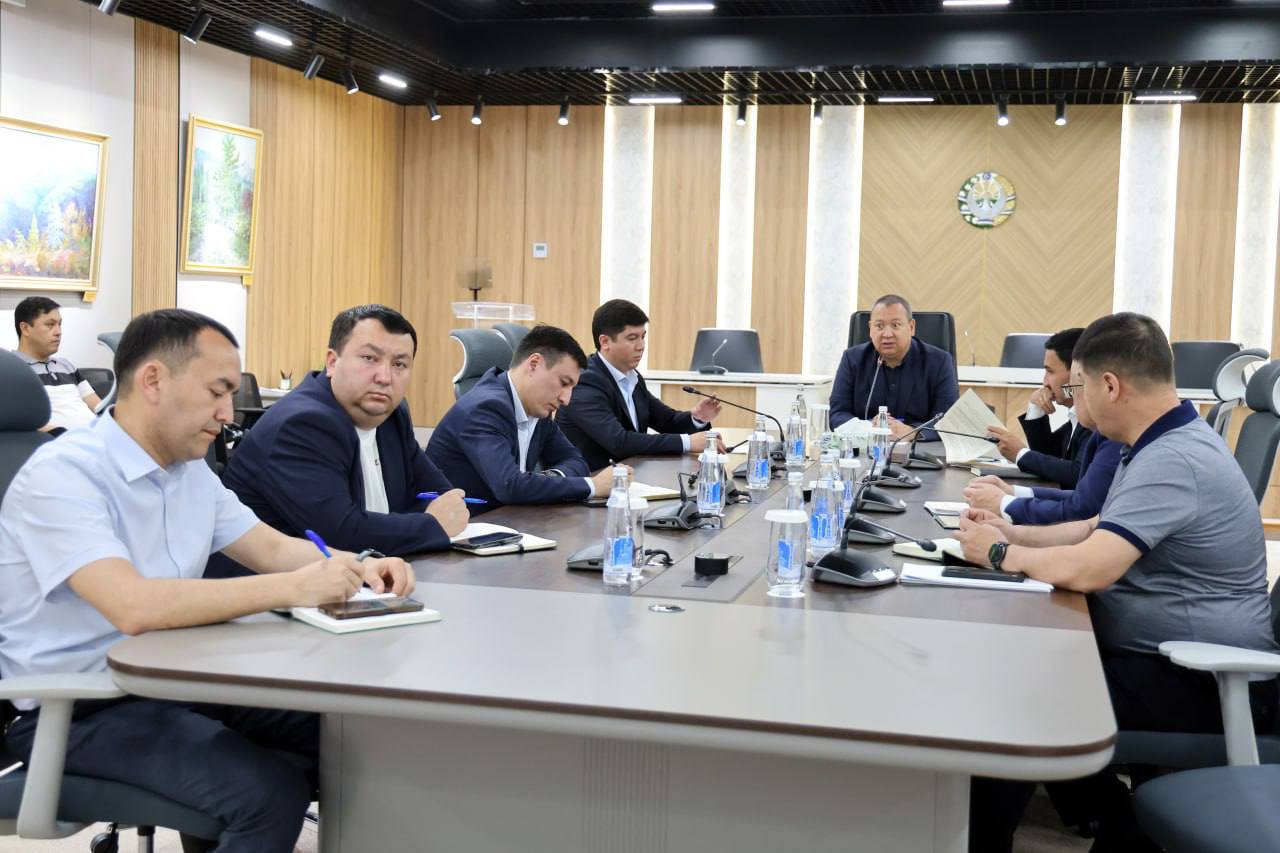
This event was aimed at ensuring the implementation of Decree No. PF-252, as well as at systematically strengthening state financial control.
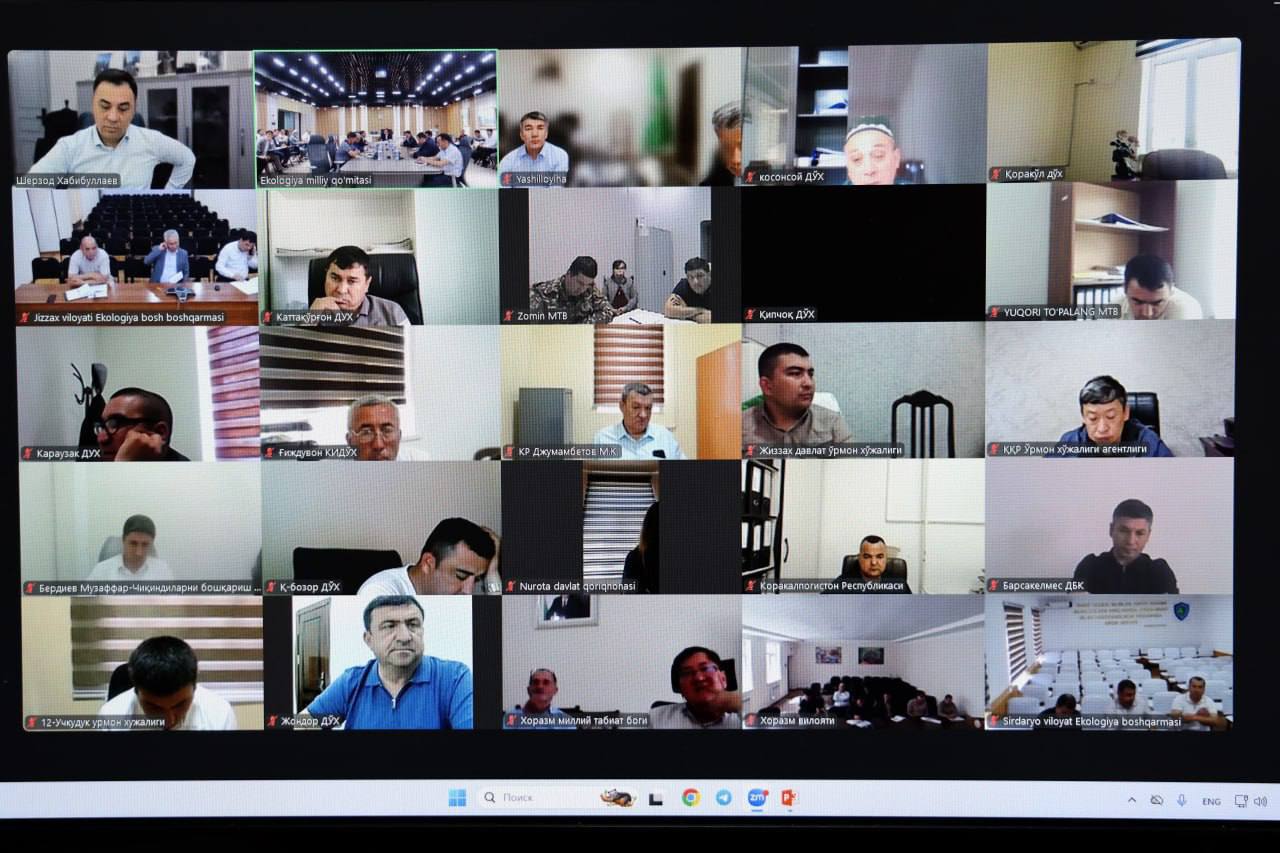
The event was attended by the ministry’s senior officials, as well as more than 167 responsible managers, chief accountants, and representatives of financial-economic and procurement, internal audit and compliance services from 81 organizations within the ministry’s system.
During the event, the appointed representative of the Chamber of Accounts at the National Committee on Ecology and Climate Change — Chief Inspector Sh. Usarov — provided detailed information on the agenda issues, in particular on the essence and content of the Presidential decree, the new mechanisms being introduced in the sector, as well as the priority areas in the state audit system.
As noted, starting from April 1, 2026, the institution of the representative of the Chamber of Accounts — the Chief Inspector — has been introduced in state bodies, which serves to further strengthen financial control and increase its effectiveness.
For information, in accordance with the Law of the Republic of Uzbekistan “On the State Budget of the Republic of Uzbekistan for 2026”, the total volume of budget funds allocated to the National Committee on Ecology and Climate Change of the Republic of Uzbekistan amounts to 908.6 billion soums, of which 296.2 billion soums (32.5 percent) are directed to the committee’s current expenditures, 64.4 billion soums (7.1 percent) to capital investments for the design, construction (reconstruction) and equipping of facilities, 548 billion soums (60.3 percent) to transfers to the State targeted fund for eliminating nationwide environmental problems and other expenditures.
During the seminar, practical recommendations were provided on the effective use of budget funds, strengthening financial discipline, and the effective organization of internal control systems.
It was also thoroughly discussed mechanisms for ensuring openness and transparency in public procurement, preventing conflicts of interest, as well as early identification and elimination of corruption risks.
At the end of the seminar, specific tasks were assigned to the participants on strengthening financial discipline, preventing violations, and increasing the effectiveness of control.
More news
![[object Object]](https://back.ach.gov.uz/media/view/file_176288dd274399c845598a28.jpg)
Results of the Chamber of Accounts Audit Discussed: Specific Tasks Set to Eliminate Shortcomings and Improve the System
339
26.04.2026
![[object Object]](https://back.ach.gov.uz/media/view/file_290d60d01c00bee880ecad07.jpg)
Uzbekistan and Hungary SAIs Working Group Meeting
1664
28.07.2025
![[object Object]](https://back.ach.gov.uz/media/view/file_42dcbb49f67ce45f1f045b00.png)
Uzbekistan and Azerbaijan’s leaders held the second meeting of the Supreme Interstate Council
1343
03.07.2025
![[object Object]](https://back.ach.gov.uz/media/view/file_d001b7480487944a5eceb772.JPG)
Training and Practical Seminar Dedicated to Artificial Intelligence Technologies
2576
15.12.2025
![[object Object]](https://back.ach.gov.uz/media/view/file_d17f97d1789f381415263b74.jpg)
President of Uzbekistan advocates for expanding practical cooperation with Japanese businesses
1296
20.12.2025